

Educational Programs at Bush Kidz Blacksoil
Daycare Activities at Bush Kidz Blacksoil





Frequently Asked Questions
What is play-based learning?
Play-based learning is an educational approach where children learn through play, exploration, and hands-on activities. It encourages creativity, problem-solving, and social interaction while supporting cognitive, emotional, and physical development. Through guided play, educators help children build important skills like communication, confidence, and independence in a fun and engaging environment.
What is nature-based learning?
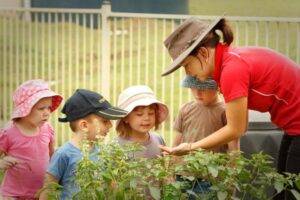
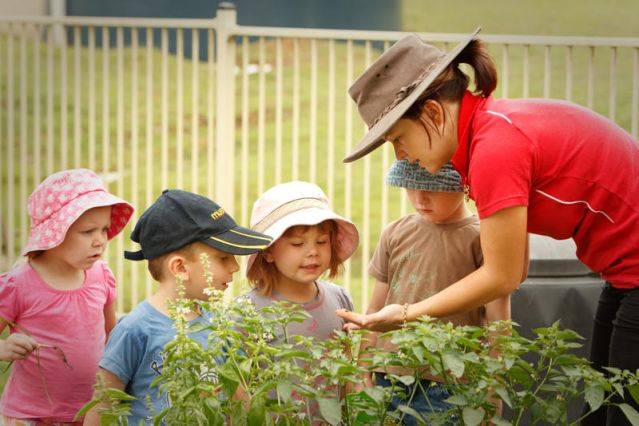
Nature-based learning involves outdoor experiences that connect children with the natural environment. Activities such as gardening, exploring plants, and outdoor play help develop curiosity, environmental awareness, and physical skills. This approach also improves mental wellbeing, creativity, and problem-solving while encouraging children to appreciate and respect nature.
What skills do children learn in daycare?
Children develop a wide range of skills in daycare, including social skills, communication, teamwork, and emotional regulation. They also build early literacy and numeracy skills, fine and gross motor abilities, independence, and confidence. These skills support overall development and prepare children for future learning and school success.
How do you prepare children for school?
We prepare children for school by developing their early literacy, numeracy, social, and emotional skills. Children learn routines, listening skills, independence, and how to work in groups. Our school readiness programs build confidence, focus, and problem-solving abilities to ensure a smooth and successful transition to primary school.
Do children nap at daycare?
Yes, children are provided with rest or nap time based on their age and individual needs. A calm and comfortable environment is created to help children relax and recharge. Rest is important for healthy growth, emotional wellbeing, and maintaining energy levels throughout the day.
How do you support shy children?
We support shy children by creating a safe, welcoming, and nurturing environment. Educators build trusting relationships, encourage gentle participation, and allow children to engage at their own pace. Positive reinforcement and small group activities help build confidence and social skills gradually.
How do you handle separation anxiety?
We handle separation anxiety with patience, care, and reassurance. Educators comfort children, maintain consistent routines, and provide engaging activities to help them feel secure. We also communicate closely with parents to ensure a smooth transition and help children develop confidence and independence over time.